




Hear Directly From Our Clients


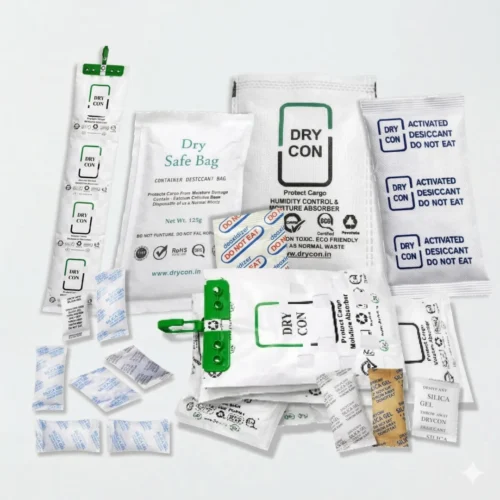
Moisture exposure across various sectors results in corrosion, spoilage, and degradation which leads to financial losses. The industrial absorbent and desiccant solutions from DryCon provide Active packaging solutions for supply chains which operate in regulated industrial environments. Our moisture control and absorption solutions for industries deliver proven adsorbent and desiccant applications across industries which maintain cargo stability and product integrity and export readiness.

 5.0/
5.0
5.0/
5.0
Moisture protection is a small component of cost, but a big factor in risk. Their solutions have helped us avoid preventable losses.
 4.9/
5.0
4.9/
5.0
The documentation support including COA and material specifications simplifies our compliance process.
 4.7/
5.0
4.7/
5.0
We appreciate their quick response and technical clarity. They helped us select the correct desiccant type instead of overselling.
 4.9/
5.0
4.9/
5.0
Their batch consistency gives us confidence. We have tested multiple suppliers, but the absorption performance here has been reliable.
 5.0/
5.0
5.0/
5.0
Earlier we faced frequent container condensation during monsoon shipments. After switching to their container desiccants, damage claims have significantly reduced.
 4.9/
5.0
4.9/
5.0
What stood out was not just the product performance but their consultative approach. DryCon helped us optimize usage and save costs.
 5.0/
5.0
5.0/
5.0
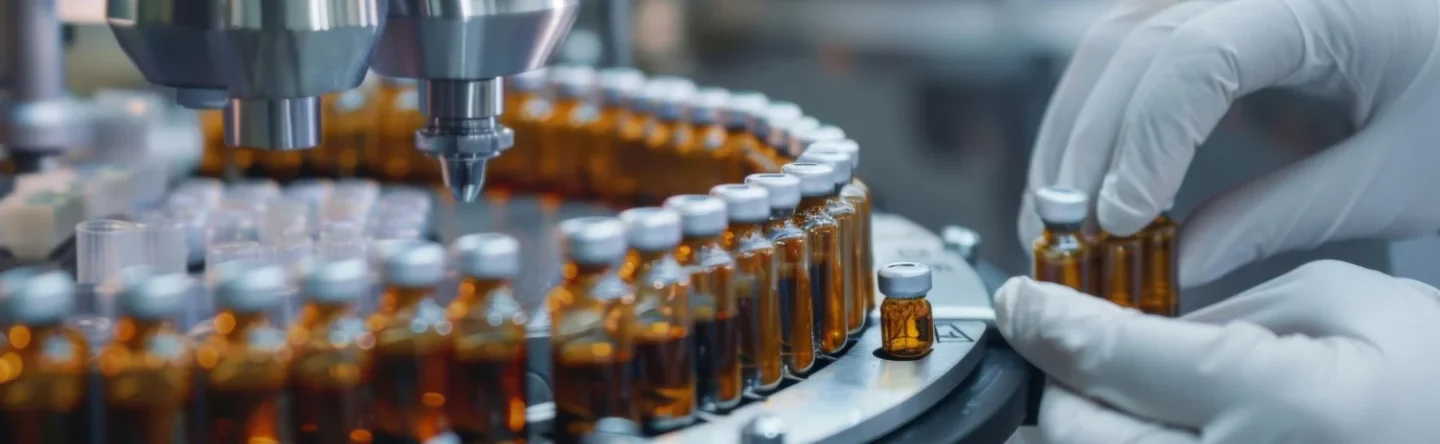
Moisture control is mission-critical for our pharmaceutical products. DryCon’s solutions helped us maintain product integrity and compliance standards with peace of mind.
 5.0/
5.0
5.0/
5.0
Switching to DryCon’s desiccant solutions dramatically reduced moisture issues in our finished goods storage. We now confidently ship without fear of condensation damage.
 4.9/
5.0
4.9/
5.0
Their team understood our humidity challenges and recommended the right absorbent configuration. The results exceeded expectations — minimal rejects, faster turnaround.
 4.7/
5.0
4.7/
5.0
We rely on DryCon’s products for every shipment. Their quality consistency and prompt support have directly improved our logistics reliability
Good humidity control solutions support product integrity by lowering moisture exposure across storage and transportation. And if these are matched with the right active packaging approach, industrial moisture prevention can greatly reduce spoilage, contamination, corrosion, and that annoying shelf-life reduction.
Moisture damage prevention for manufacturers and sellers isn’t only a means of protecting the product. Too much humidity can also mess with packaging materials, labels, cartons, and protective wraps, and it can show up as a chain reaction risk across the supply chain.
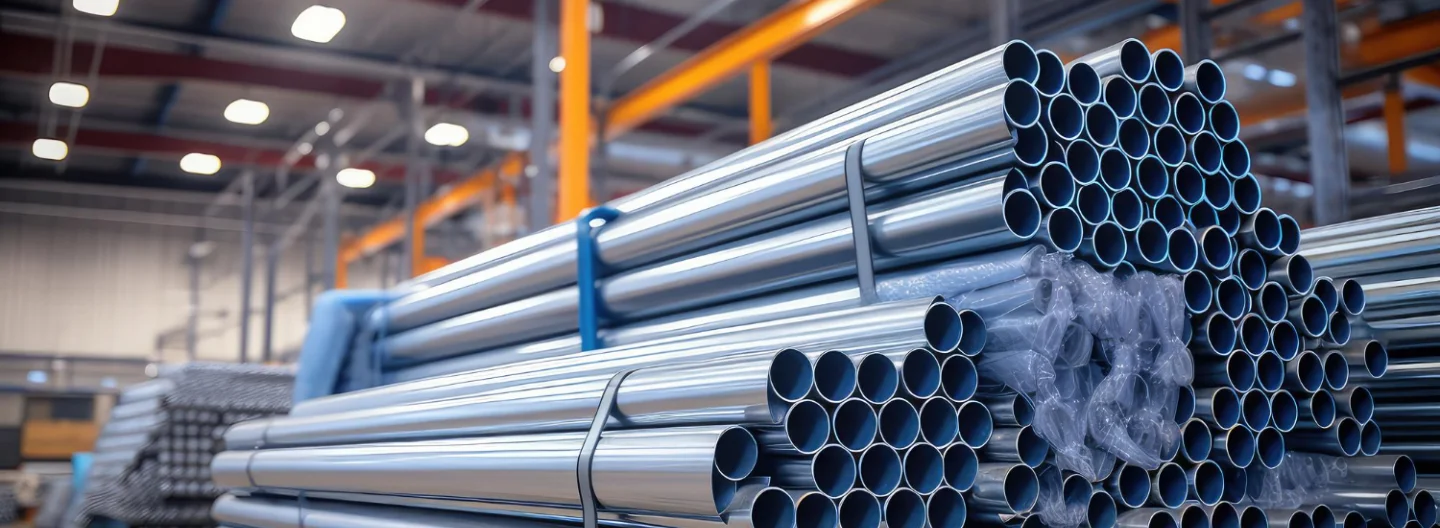
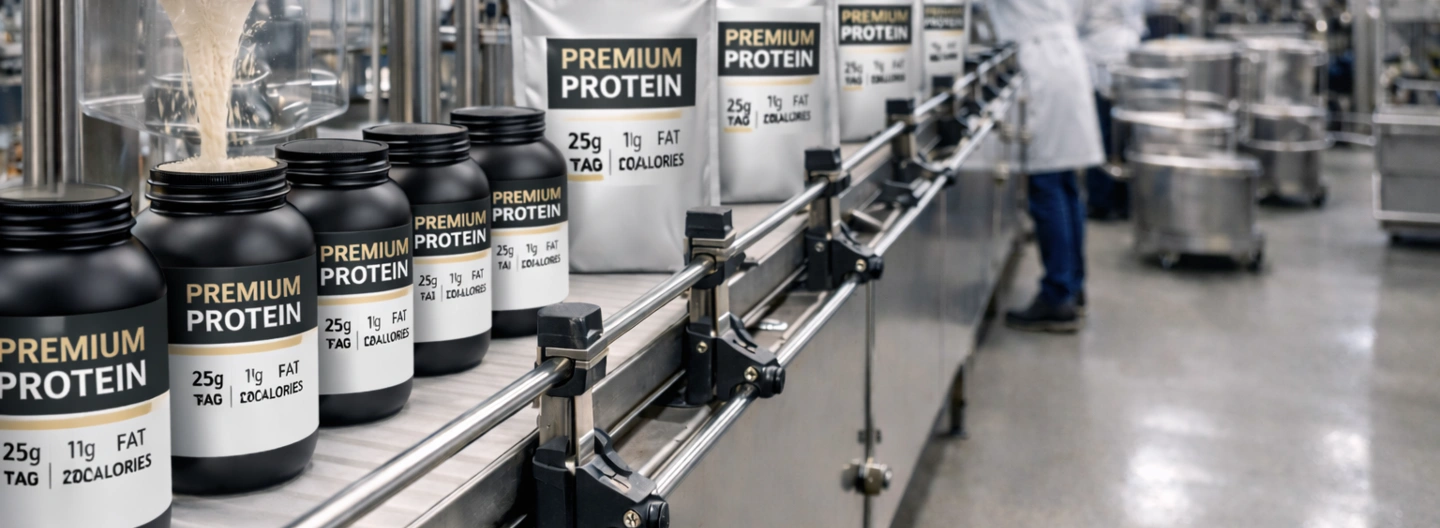
Different industries deal with different moisture headaches. Metal parts might end up with corrosion and surface oxidation. Pharmaceutical and healthcare products can run into stability issues. Food ingredients may clump or start losing freshness.
Electronic components when exposed to condensation it leads to moisture related failures more easily. Textile products, on the other hand, may take in moisture, which leads to mold growth, strange odor, and overall quality decline. International shipping adds even more complications.
During ocean transit, temperature swings often trigger container condensation, which many people call “container rain”. That water can gather on the products and the packaging, then you get damaged goods, shipment rejections , and customer complaints.
Understanding these risks is the first step toward selecting the right moisture management approach for a specific application.
Industrial packaging solutions vary a lot across different industries. A bunch of things, like what the product is made of, how long it sits in storage, local climate conditions, how it gets transported, and even the packaging design itself all shape the kind of solution that’s best.
The most frequent application of industrial packaging solutions would be in any situation where products could be affected by humidity, either directly or by allowing the humidity to affect product quality.
In its simplest terms, a desiccant adsorbs the moisture from the environment so that the packaging, containers and even the location where the product is kept will be able to contain moisture at a fixed level. Some of the more common desiccant applications include:
Oxygen absorbers help cut down oxidation, which can impact food products, nutraceuticals, pharmaceuticals, and other oxygen-sensitive materials. In many packaging setups, moisture and oxygen control are combined , for a more complete layer of product protection. All together, these solutions make up an important section of modern industrial packaging, meant to support product quality across the entire supply chain.
Not all moisture control requirements are the same, honestly. A solution that looks great for electronic components might not be right for food packaging, pharmaceutical products, or those export shipments that bounce between lanes and climates.
If businesses choose industry specific packaging protection solutions, they can deal with the real environmental risks their products actually face, not just what the label says.
1. Better protection based on product sensitivity
Different items react, well differently, to humidity. Sensitive electronics often need very low moisture levels, while bulk materials may need safeguards against caking or condensation. When the protection strategy fits the application, the overall performance tends to improve, a lot.
2. More dependable shipping and storage
During transportation and warehousing, environmental conditions can shift quite a bit. Using solutions built for export packaging, container shipping, or long-term storage helps lower the risks tied to temperature swings and humidity fluctuations.
3. More stable product quality
Keeping moisture levels under control supports consistent product behavior. It also helps limit those annoying quality variations that show up after environmental exposure.
4. Fewer losses, less rework
Moisture related issues can turn into rejected shipments, customer complaints and replacement expenses. With proper moisture management in place, those unnecessary losses are reduced.
5. Helps with packaging optimization
Partnering with a moisture control supplier that has experience can help evaluate packaging setups, the expected environmental conditions, and the storage needs. Then a suitable protection strategy can be chosen, more rationally.
Typically an industrial desiccant manufacturer will look at things like product characteristics, packaging volume, transit time, the destination climate, and the storage conditions that are expected later, when they recommend a moisture control approach.
Frequently Asked Questions


Yes, DryCon is a Top desiccant manufacturing company in india that offers industry specific desiccants.
Moisture control solutions tend to help all kinds of industries, like food processing, pharmaceuticals, electronics, automotive, chemicals, textiles, also logistics and warehousing , plus healthcare, and export packaging. Basically if your item is sensitive to humidity, condensation , corrosion, or mold then some form of moisture protection can really matter.
Desiccants do the job of controlling humidity inside packaging by adsorbing extra moisture, kind of quietly but steadily. This lowers the chances of corrosion showing up, mold growth starting, caking, product degradation, and yes even packaging damage , during storage and transportation.
Humidity control products handle moisture that forms because temperatures change and the environment keeps shifting during transit. So they can cut down condensation, protect from container rain , and they also support moisture damage prevention over long-distance shipping, where conditions aren’t always predictable.
That depends, because “best” is usually tied to product sensitivity, the packaging format, how long it sits in storage, what transport conditions look like, and how exposed everything is to the outside environment. Some use desiccants, others use oxygen absorbers , and some rely on container moisture-control products or a mix of several solutions together.
Yes, moisture control customization can be possible. Basically it needs vary a lot between industries and product types. Selection is typically based on things like package size, product characteristics, shipping routes, storage conditions , and the performance goals that have to be met.