
7 Costly Shipping Problems Solved by Container Desiccant Bags

calendar
May 4, 2026
Written by
Harshal Jani

Harshal Jani

Container shipping serves as the backbone of global trade. Yet, one silent threat damages cargo more than most exporters realize because moisture inside the container remains present. The long sea travels lead to changing temperatures which result in humidity and condensation. This sequence of events causes mold growth and corrosion and weakens packaging materials and creates unpleasant smells and leads to shipment rejections. Drycon Container Desiccant Bags and similar container desiccant bags are built to control this problem at the container level, not just inside cartons.

Here is how they solve the most common and costly shipping issues.

What Are Container Desiccant Bags?

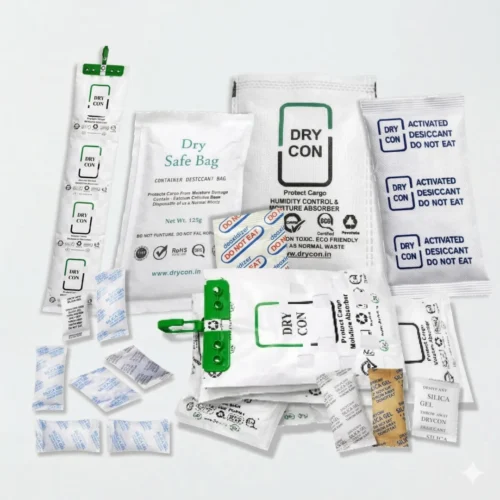
Container desiccant bags function as high-capacity moisture absorbers which shipping containers require for their operation. The systems utilize calcium chloride together with gel technology to absorb moisture through extended periods of transit.

Unlike small Silica gel sachets used in retail packs, these bags protect the entire container space.

They help prevent condensation, mold growth, rust and corrosion, packaging damage, and odor formation.

1) Protecting Cargo from Condensation Drips

As containers move through hot and cold regions, air inside cools at night. Moisture turns into water droplets on the container ceiling and walls. These droplets fall on the cargo.

This is a major cause of cargo damage during 20 to 40 day sea journeys.

How desiccant bags help:

  • They absorb water vapor before it turns into droplets
  • They keep humidity below the condensation point
  • They protect cartons, pallets, textiles, electronics, and machinery

The system prevents water droplet creation which protects cartons, pallets, electronics, textiles, and moisture-sensitive goods during the entire journey.

2) Eliminating Mold and Fungal Growth

Mold grows fast when humidity is high. It damages products and creates bad smells. It can also lead to rejection at destination ports.

How desiccant bags help:

  • They keep humidity below the level where mold grows.
  • They remove moisture from the air, not just from surfaces.
  • They support safe export packaging moisture control.

3) Preventing Corrosion, Rust and Structural Damage

Even small amounts of moisture can start rust on metal parts. This affects auto components, machinery, hardware, and coated metal items. 

How desiccant bags help:

  • They reduce moisture before it touches metal
  • They maintain stable humidity during transit and storage

4) Reducing Packaging Damage and Collapsed Cartons

Moisture causes damage to cartons and labels and adhesives materials which results in their degradation. The boxes will develop a soft texture which makes them vulnerable to damage when people handle them. Retailers will refuse to accept those shipments from stores.

How desiccant bags help:

  • They keep the air dry inside the container
  • They protect the strength of cartons and labels

5) Safeguarding Foods and Textiles

Products like spices, coffee, nuts, powders, fabrics, and garments are very sensitive to moisture. High humidity can cause:

  • Clumping of powders
  • Mildew on fabrics
  • Spoilage and bad smell
  • Quality loss

How desiccant bags help:

  • They control humidity across the container
  • They help maintain product quality and freshness

6) Stopping Unpleasant Odours and Cross-Contamination

Moist air allows bacteria and fungi to grow. This creates unpleasant smells, especially in tea, coffee, paper goods, and textiles.

How desiccant bags help:

  • They remove excess moisture from the air
  • They prevent the environment where odor-causing microbes grow

7) Reducing Insurance Claims and Rejections

Moisture damage is a frequent cause that results in shipment rejections. The situation results in considerable financial losses which includes insurance claims and supply chain interruptions.

How desiccant bags help:

  • They reduce the risk of moisture damage
  • They show proactive moisture control practices
  • They protect cargo value and brand trust

Choosing the Best Desiccant for Shipping Containers in India

The right desiccant depends on:

  • Shipping time and route
  • Cargo type
  • Container size
  • Weather conditions such as monsoon humidity

Common options:

For humid export routes from India, calcium chloride based container desiccant bags are usually the better choice.

Looking for the Best Desiccant for Shipping Containers India for Your Exports?

Protect your exports from moisture damage - Choose the right desiccant for shipping containers today.

Conclusion

The loss of moisture protection for containers can be predicted but it can also be prevented. Signs of inadequate humidity control include condensation and mold and rust and weak cartons and foul odors.

Container desiccant bags are a simple and effective way to manage this risk.

At DryCon, we design high-absorption container desiccant bags for long sea routes, tropical climates, and sensitive cargo. The right moisture control solution can protect every shipment from avoidable damage.

Frequently Asked Questions

1. What are container desiccant bags and how do they work?

Container desiccant bags serve as efficient moisture removal systems that function in vast enclosed areas which include shipping containers. The products serve their function as shipping container moisture control tools by taking in water vapor which exists in the container air and transforming it into gel or liquid state, while maintaining the container humidity at safe levels during transportation.

2. What is the significance of moisture management in shipping containers?

The shipping container humidity control methods create a situation where ocean transport temperature changes cause condensation, which leads to container rain and mold growth, as well as rust and packaging destruction and cargo rejection. Moisture control stays important throughout the export process because it helps maintain cargo quality and meets compliance standards and protects product value.

3. What is the method by which desiccant bags stop container rain from occurring?

Container desiccant bags prevent container rain by absorbing humid air before it reaches dew point. The most effective method for preventing container rain during shipping operates by blocking condensation from developing on the container ceiling which would otherwise result in drips onto the cargo below.

4. How many desiccant bags are needed per container?

The quantity depends on container size (20ft or 40ft), voyage duration, cargo type, and route humidity. The correct quantity of container desiccants should export companies by following the usage guidelines established for exporters. Exporters who operate on routes with high humidity conditions typically protect their cargo by utilizing bulk desiccant bags, which they distribute uniformly throughout the container space.

5. What types of goods require container desiccants?

The goods which need desiccant bags for their export packaging moisture control process include products which show high moisture sensitivity.

  • Textiles and garments
  • Food products, spices, grains, and agro commodities
  • Leather goods and footwear
  • Machinery and metal parts
  • Paper packaging and cartons
  • Pharmaceuticals and electronics

6. Can desiccant bags prevent mold and corrosion?

The answer is yes. Exporters choose to safeguard their cargo through container desiccants because these products successfully stop both mold growth and corrosion in containers. Desiccants create an environment which prevents fungal growth and rust development through their ability to maintain humidity below necessary thresholds.

7. Are container desiccants reusable?

No. The majority of container desiccant bags function as single-use items which only work during their initial shipping period. The materials become unusable for export shipping after they reach their maximum absorption limit.

8. What is the lifespan of desiccant bags in shipping?

The container desiccant bags which have excellent quality create a moisture absorption effect which lasts between 30 and 60 days. The products deliver continuous moisture control during long international shipping operations which makes them essential for container moisture management systems.

9. What is the procedure for selecting the appropriate desiccant for my cargo?

For selecting suitable desiccants which match your shipping container needs in India, please evaluate the following factors.

  • Route humidity and climate conditions
  • Cargo moisture sensitivity
  • Transit time
  • Container size

Calcium chloride-based desiccants are widely preferred for long sea voyages and tropical conditions due to their high absorption capacity.

10. Are desiccant bags safe for food and pharmaceutical shipments?

The answer is yes. The certified desiccant bags which export packaging moisture control use, serve as non-toxic and leak-proof solutions, which become safe for food and pharmaceutical products when used according to the container desiccant usage guide for exporters.

Read more insights on
  • WhatsApp
  • X
  • LinkedIn

Improve your Pharmaceutical Packaging Moisture Protection with the Right Solution.

Enhance pharmaceutical packaging integrity with advanced moisture protection solutions that ensure safety, stability, and compliance.

EMAIL US

harsh@drycon.in

Trusted By

AWL.NS_BIG 1
Godrej
Navneet
Reliance Industries
Chiripal
Vishakha
Larsen & Toubro
Aashirvaad
Cinos
Haldirams
AptarGroup
Daikin
Sintex
Lubi Pumps
Juki
social-call social-mail social-whatsapp