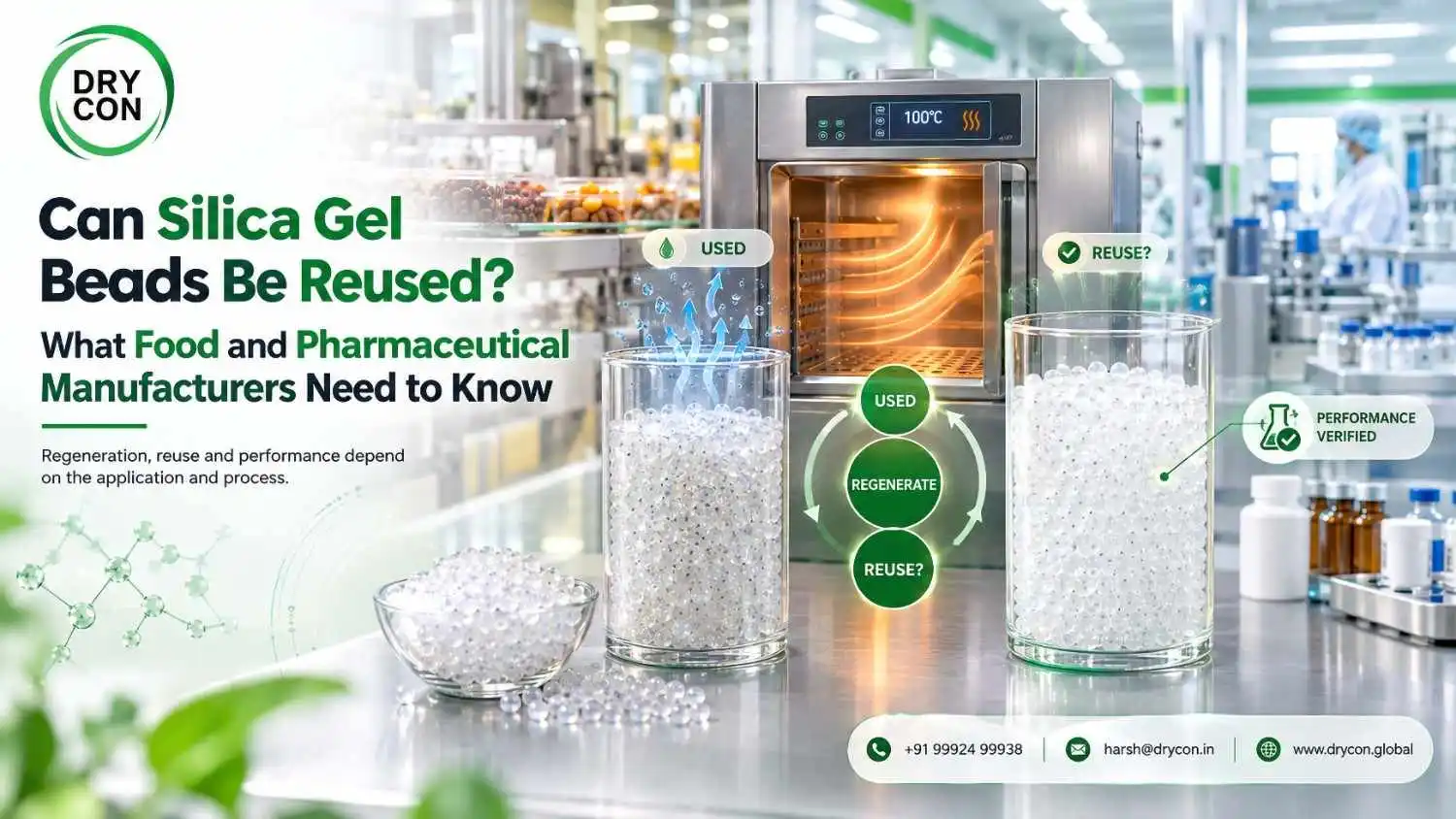
If you are wondering, could silica gel beads be reused? The answer is yes! But only if you get the right conditions in the end. Silica gel itself is kind of a porous drying agent, like it has lots of tiny cavities inside. Those cavities grab water vapor on its internal surface and hold it there. So yes, reuse can work, but you just need to manage the moisture properly. When the moisture load is taken away using controlled heating, the gel can regain a large portion of its adsorption ability.
Still, that does not mean that any used silica gel sachet should be regenerated and then put back into food packaging or pharmaceutical packaging, as if it was always clean. No. The real thing industrial buyers usually want to know is more pointed, like:
Can this specific silica gel be regenerated? And once it is regenerated can it keep meeting the needed performance, hygiene, packaging, and compliance requirements. That difference matters a lot.
Moisture Control Consultant
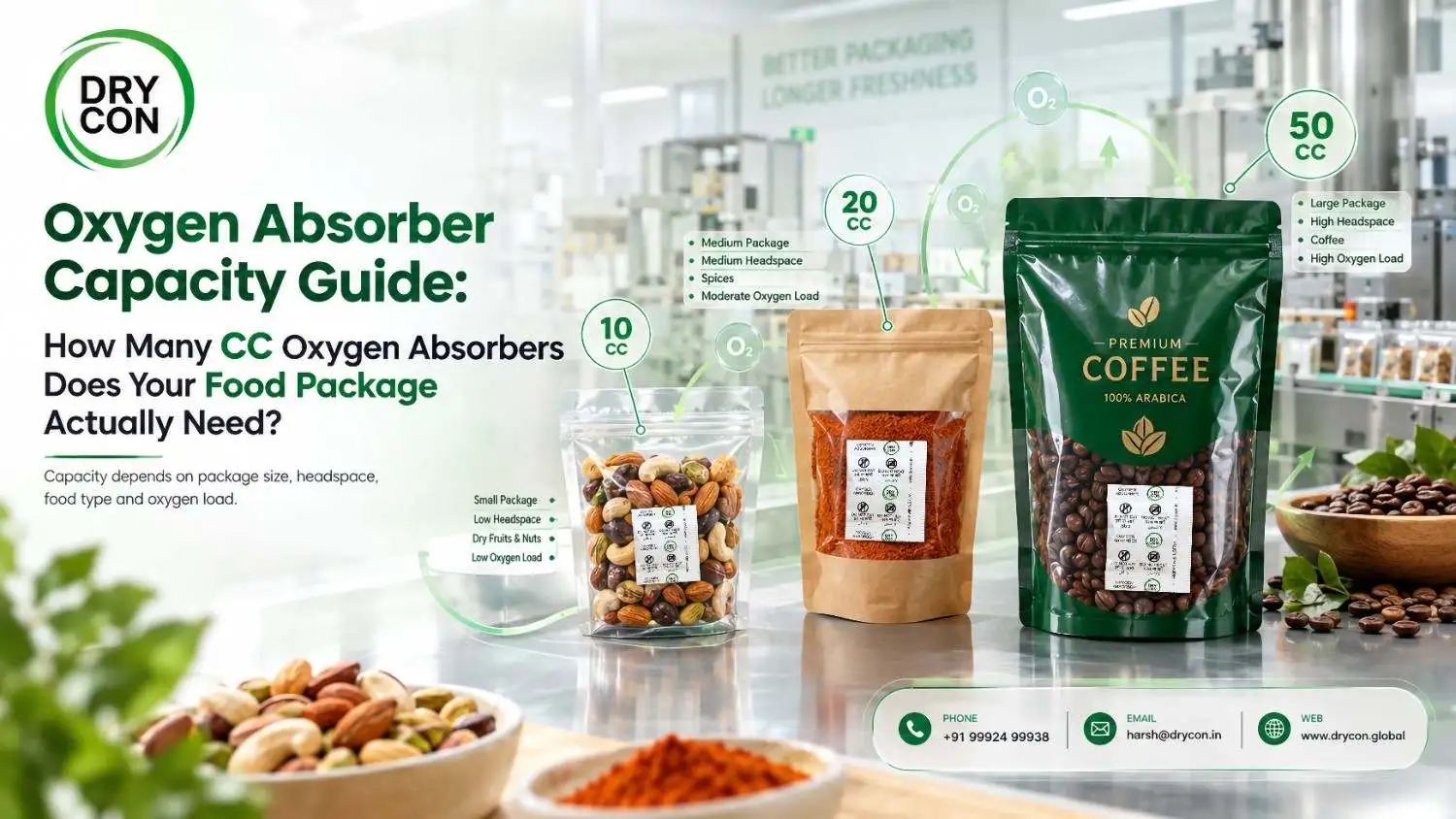
Choosing the right oxygen absorber capacity really isn’t as straight forward as just matching a sachet to the food weight. A 1 kg pack of rice, nuts, dried fruit, or spices can end up, needing totally different absorber sizes. It sort of depends on the headspace volume, packaging material, the amount of residual oxygen that’s really inside, the actual product condition, the shelf life target, and even how much oxygen sneaks in through the package over time.
This is important because an undersized absorber may not protect properly. But a bigger absorber than you need also wastes money and still doesn’t fix the real issue, which is the packaging system behavior. So for food manufacturers, exporters, packaging procurement teams, and QA managers the better question isn’t only, “How many cc do I need?” It’s more like, “How much oxygen must this packaging system actually control?”
Moisture Control Consultant
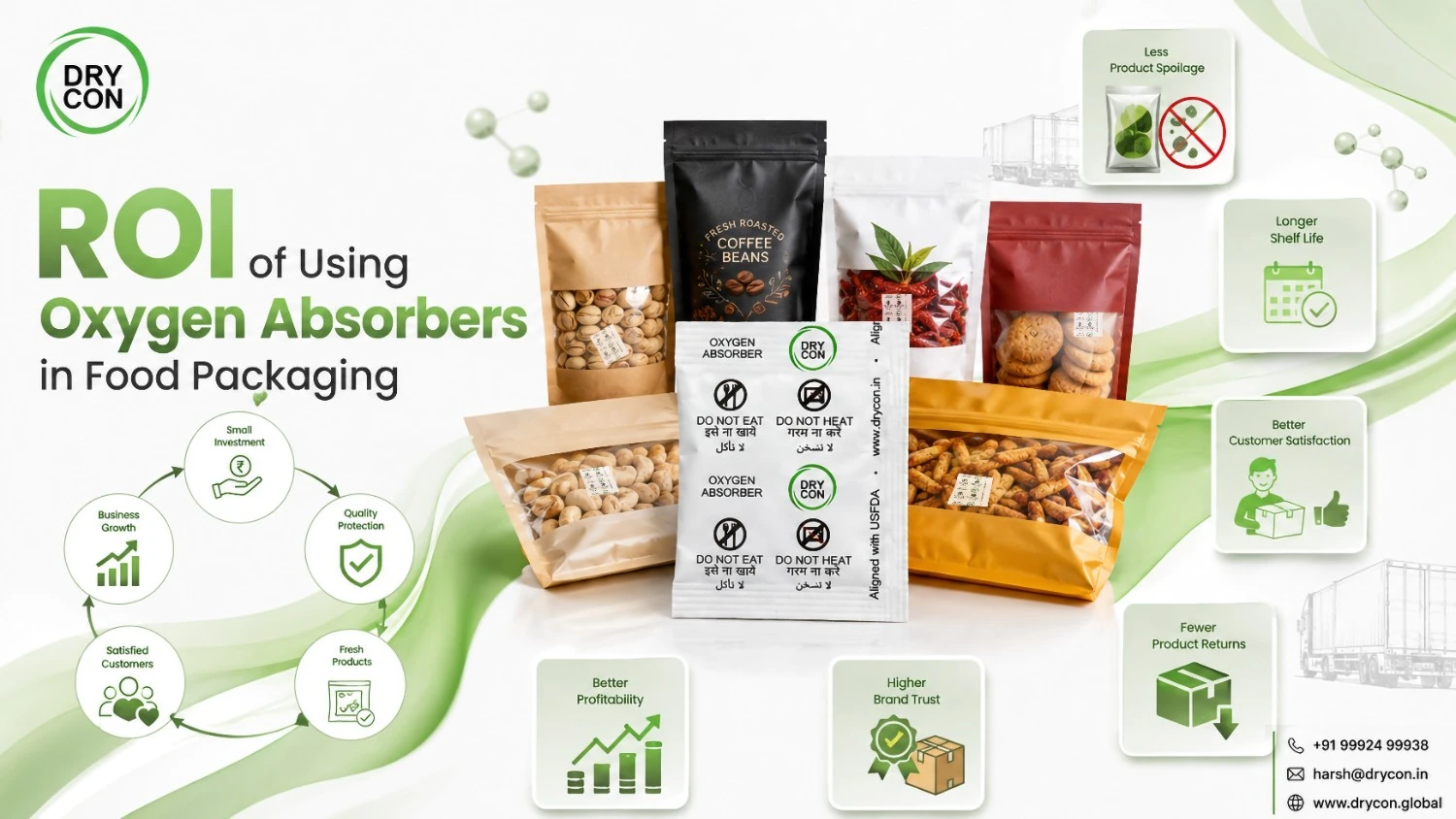
For a food manufacturer, an oxygen absorber may cost only a small amount per pack. The cost of a rejected shipment, rancid product, mould growth, or customer complaint can be much higher. That is why the ROI of using oxygen absorbers in food packaging should not be measured only by the sachet price. The better question is: How much product loss can the packaging system prevent compared with its added cost?
Oxygen is a major cause of oxidation and quality loss in many foods. Normal air contains roughly 21% oxygen, and managing it really is one of those key things for food packaging design. For dry fruits , nuts, snacks, bakery products, spices, grains, and other oxygen-sensitive dry foods, oxygen absorbers can help cut down the leftover oxygen inside a well sealed pack.
Still, it’s not some universal fix. Fresh fruit and vegetables are living products that continue to respire after packing, so their packaging needs careful control of oxygen and carbon dioxide exchange, which can be a bit finicky. The real ROI comes from matching the absorber, pack, product, and distribution conditions correctly.
Moisture Control Consultant
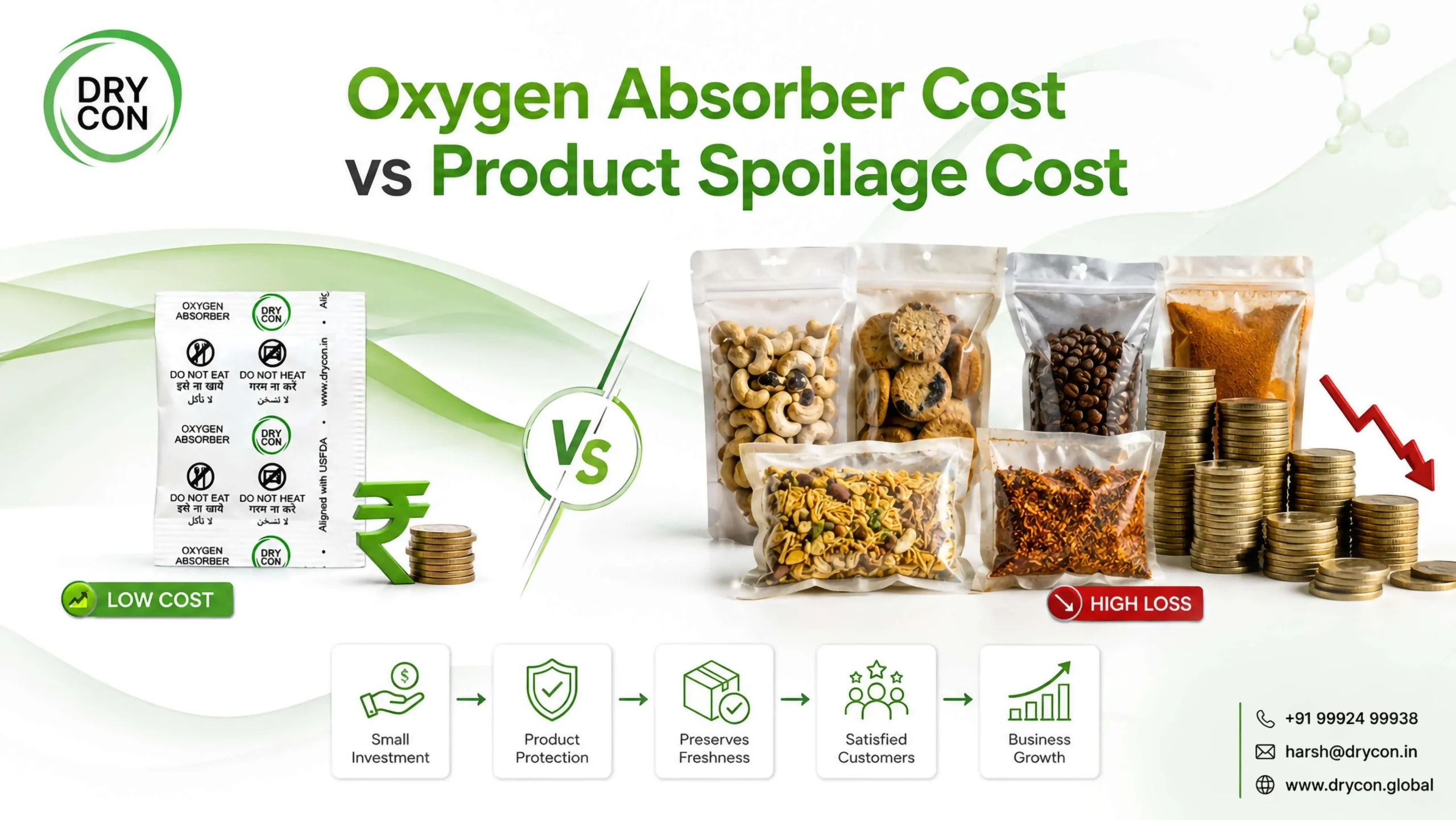
For food manufacturers, the whole oxygen absorber cost vs product spoilage cost thing is usually not really about the price of a single sachet. It is more like, the real question becomes: can a tiny packaging add-on quietly stop a far bigger loss from oxidation , rancidity , nasty quality complaints, rejected export lots, or even the end result of unsold stock.
And honestly, this gets even more critical for dry fruits , nuts , seeds, bakery goods, snacks, spices, and basically the rest of those oxygen-sensitive foods. Oxygen can be hanging around inside a sealed pack even after filling. It can also show up later if the pack has weak barrier properties or if the seals have small defects , or just aren’t tight enough.
An oxygen absorber is made to pull oxygen out of a properly sealed package, you know, so the product doesn’t get rattled by air. The goal feels simple enough: lower the oxygen that could be used in chemical changes which might end up damaging the goods.
For procurement teams, the right call isn’t just a unit price thing. It’s more like, you need to look at pack size, the headspace amount, the packaging barrier performance, absorber capacity, storage conditions, the likely shelf life, and then even the financial fallout from rejected units or spoiled items.
Moisture Control Consultant
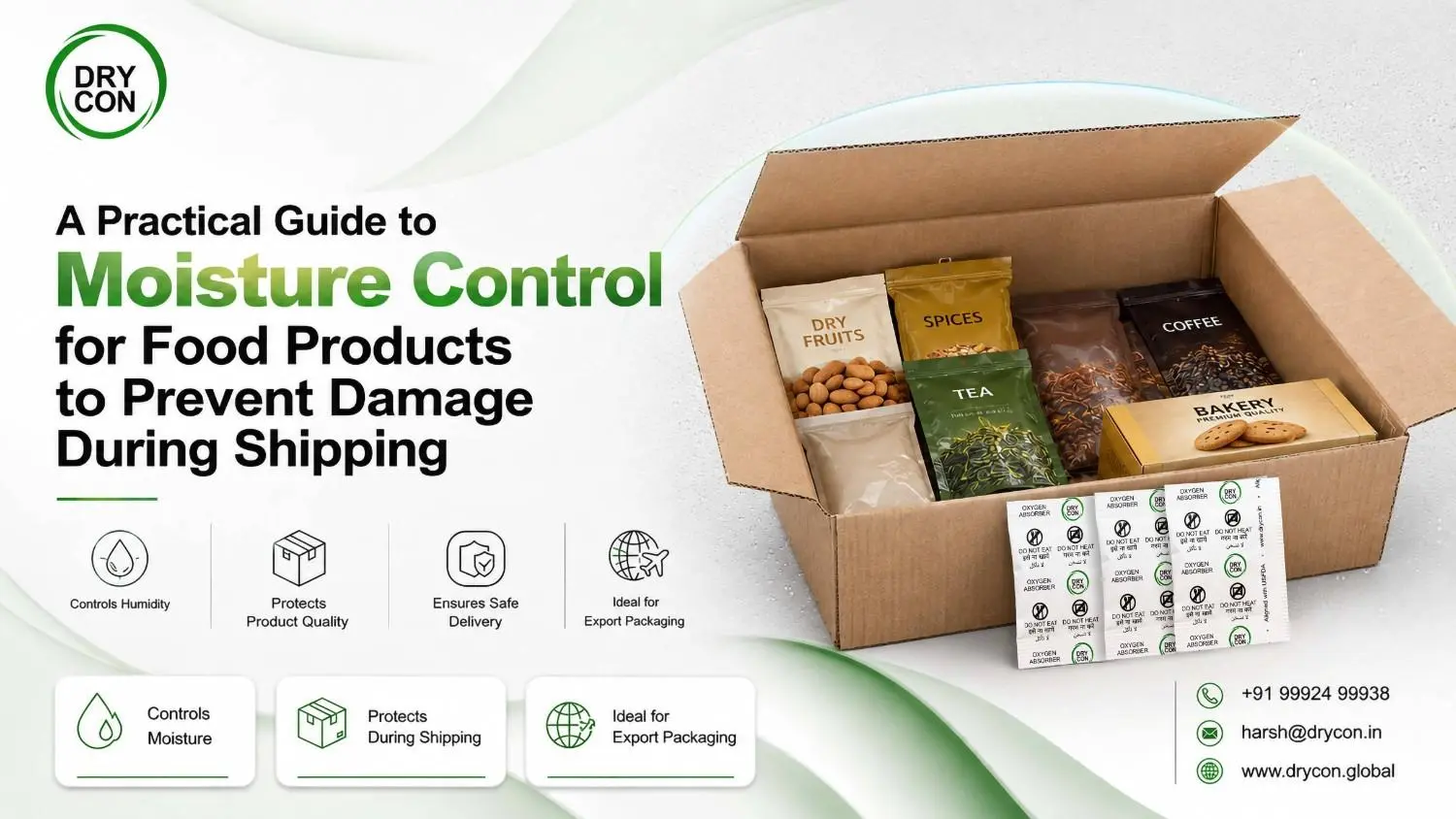
Food manufacturers and exporters usually worry about product quality, until the shipment actually leaves the plant. But moisture control for food products has to keep going during storage and shipping too, because humidity and temperature shifts can slowly stress food, the packaging materials, and even the shelf life before the cargo finally shows up.
You might notice it as the snack goes stale, a dry item can lose that crunch. Spices may clump up and feel uneven, dehydrated fruits can start pulling in water. Even cartons can start to weaken, labels might loosen and peel. And in worse situations, extra moisture can create the right kind of environment for mold to grow, and then you get food spoilage.
It also becomes a real cost problem when the shipment is already at sea, or stuck in transit.
The better kind of protection begins with figuring out where moisture shows up from and how it travels through the whole system: the product, the pack, the container, and the transport surroundings. This guide walks food manufacturers and exporters through building a workable moisture-control plan, using packaging choices , desiccants, container shielding, and sensible shipping practices.
Moisture Control Consultant
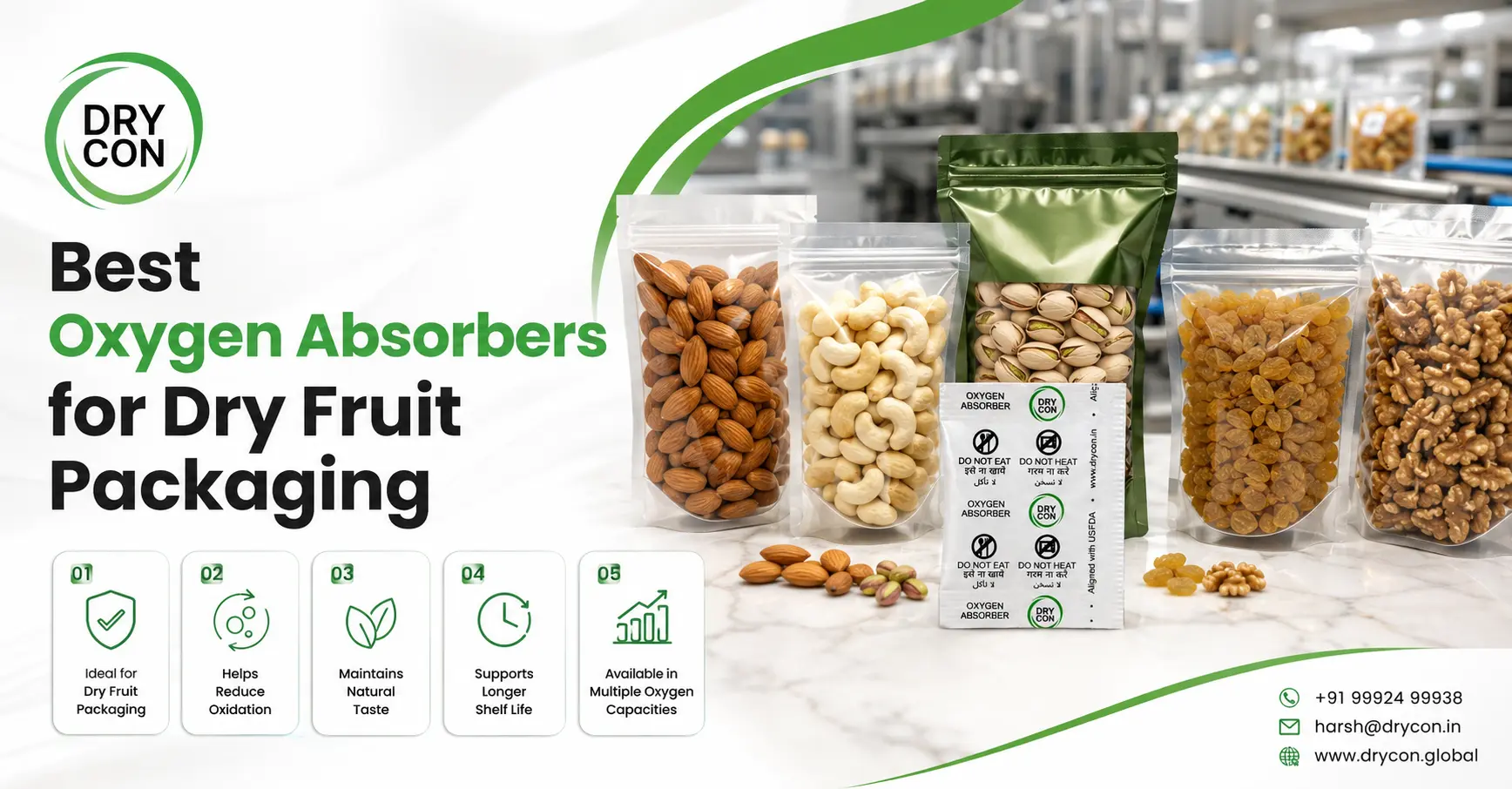
Dry fruits can look totally ok when they are packed, and yet, during storage they may slowly lose that nice quality. Oxygen that stays inside the pack can trigger oxidation, and then you end up with rancid flavors, odd color shifts, and a general fading of aroma. So oxygen absorbers for dry fruit packaging are used a lot by exporters and packaging teams who want more control over product quality.
Still, picking an absorber is not the same as grabbing a packet with a bigger capacity. The right fit depends on pack volume, how much residual air is still sitting there, the barrier level of the packaging, the kind of dry fruit, the sealing process too, and honestly how long it’s expected to be stored.
This guide walks you through how to make that call.
Moisture Control Consultant
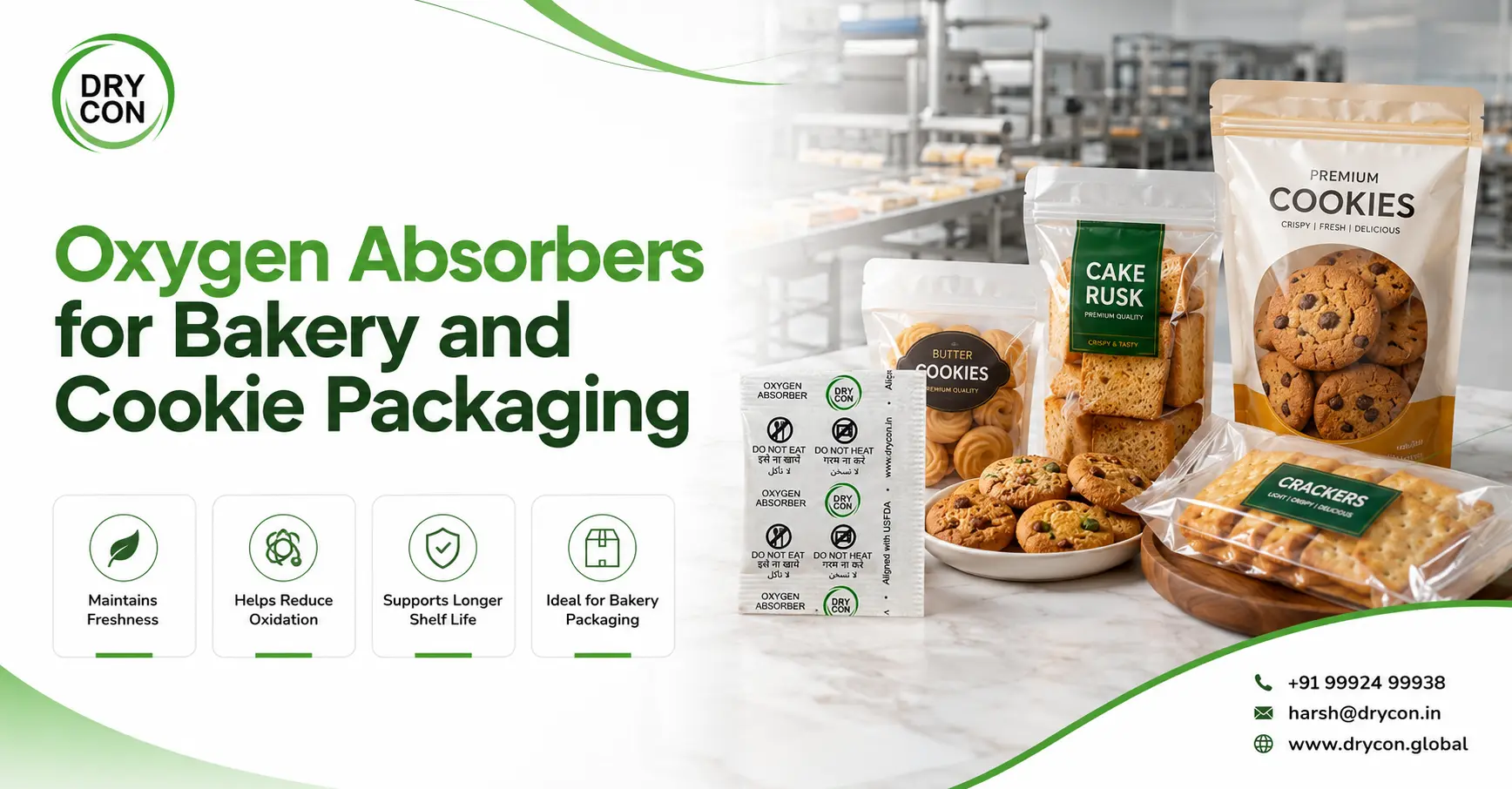
Oxygen Absorbers for Bakery Packaging can help shield baked foods from oxygen driven quality loss, all trough storage, shipping, and export. For makers, the target isn’t just to drop an absorber into a pouch and call it a day. It really has to be the whole packaging system that handles oxygen, also moisture, seal integrity, and the actual storage conditions, at the same time, not separately. Cookies , biscuits, crackers, rusks, and other dry bakery items often seem fine while quality is already slipping. Oxygen can nudge fat oxidation along, push stale flavors, cause color shift, and reduce overall product quality, long before anything obvious happens.
If you use the right oxygen absorber inside a proper high barrier pack, those risks can be lowered pretty well. Still, picking what to buy takes more than choosing a sachet based on price or the pack count. You also need to consider capacity, the packaging volume, residual oxygen, what the product is made of, how good the barrier performs, your production throughput, and the real storage conditions it will face.
This guide goes over how food manufacturers, and the procurement side too, can judge oxygen absorbers for bakery packaging with more confidence, without guessing or hoping.
Moisture Control Consultant
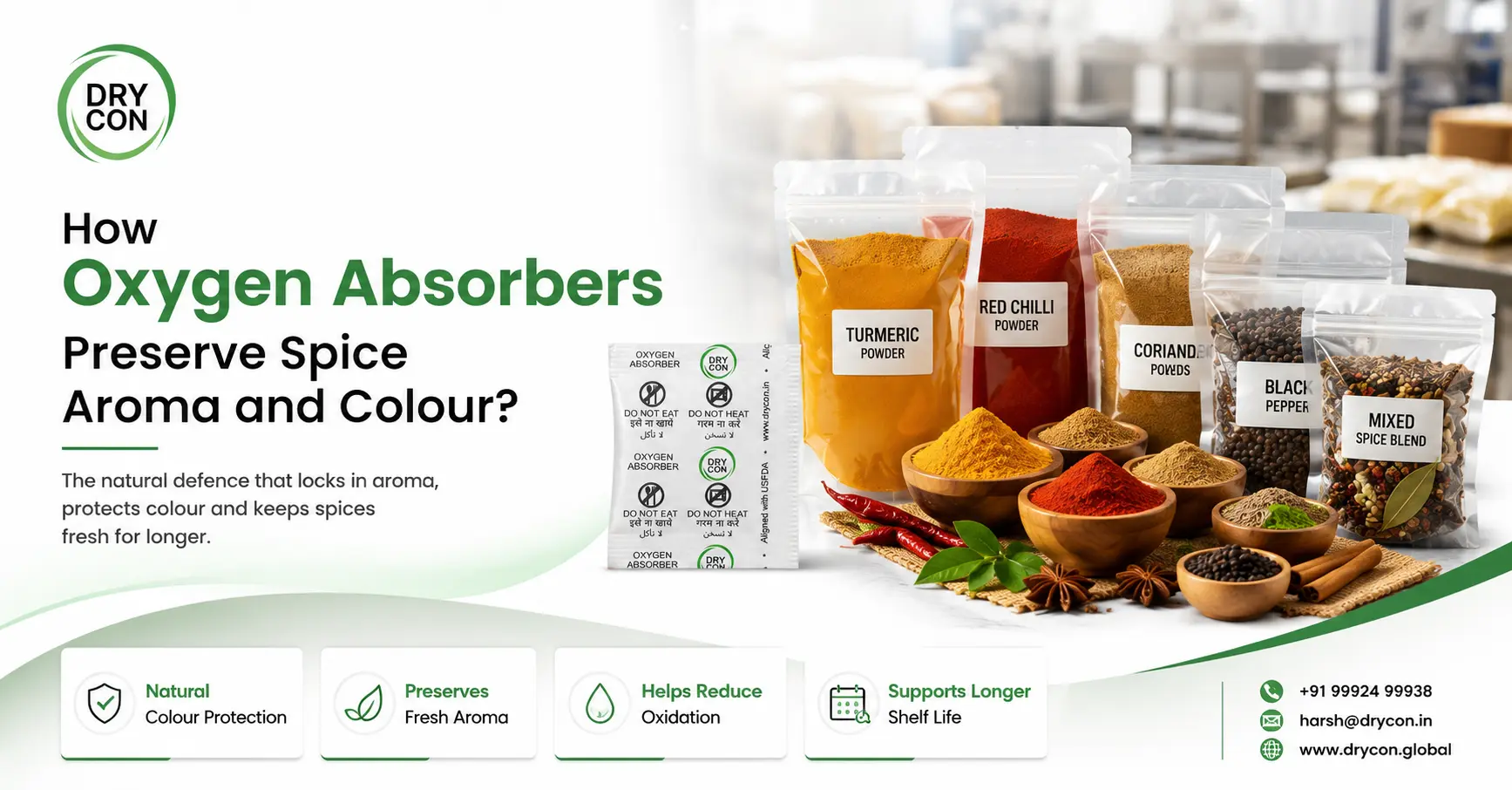
Oxygen absorbers for spices do play a huge part in keeping packed spices in good shape. They work by taking out the oxygen that ends up trapped inside sealed packs, and then they slow down oxidation.
That oxidation is basically the reason natural colors can start to fade, the aroma can get a little messed around, and the overall taste can end up weaker as time goes on. And when they’re paired with the right packaging materials, they can sort of help hold the spice quality steady from the production line right up to the consumer’s kitchen.
For manufacturers and exporters , it’s not just some shelf life thing. A lot of products travel really far , and they spend time in warehouses for weeks, sometimes even months, then they face different climate conditions before they finally get to retailers. During all that waiting , even a small amount of residual oxygen inside the pack can quietly shift the appearance and the sensory side of the spices.
This guide walks through how Oxygen absorbers work, why they’re becoming almost a must-have in modern spice packaging, and what procurement teams should pay attention to when picking the right product, and of course the right supplier.
You will also get practical packaging recommendations, a few common purchasing errors to watch for, plus how the right oxygen absorber can help maintain consistent product quality across both domestic and export markets.
Moisture Control Consultant
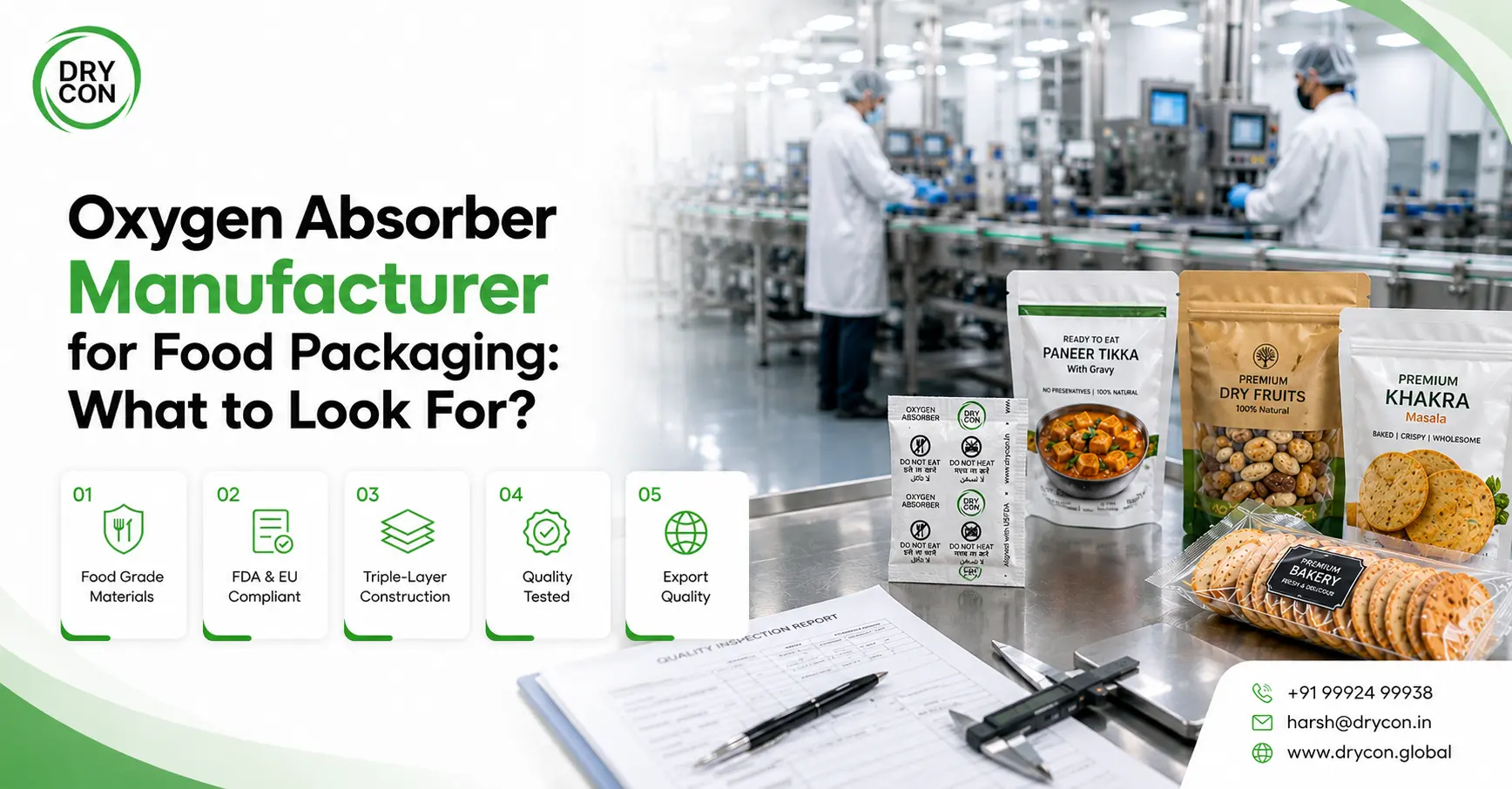
When it comes to choosing an oxygen absorber manufacturer, the effect on food shelf life is, in practice, bigger than most companies ever imagine. Food manufacturers usually spend months tuning up their recipes, choosing ingredients, and fine adjusting even the packaging layouts.
Still, plenty of products end up losing that fresh feel sooner than the schedule says. And the why is often pretty straightforward.
Oxygen kind of gets trapped inside the package. Even these tiny amounts of oxygen can, bit by bit, alter the flavor, aroma, color, texture, plus nutritional value during storage and shipping, you know.
So it matters a lot to choose the right oxygen absorber manufacturer, because they help reduce those risks and keep a steadier shelf life across different production batches.
This matters a lot especially for companies like:
- Snack manufacturers
- Spice processors
- Dry fruit brands
- Bakery companies
- Ready-to-eat food manufacturers
- Pet food producers
- Exporters moving products across different climates
For procurement teams, packaging engineers, and QA managers, oxygen absorbers are not just some additional packaging component. They are really part of a product protection system, the kind that works quietly inside every sealed pack, without drama, and without needing attention.
Moisture Control Consultant
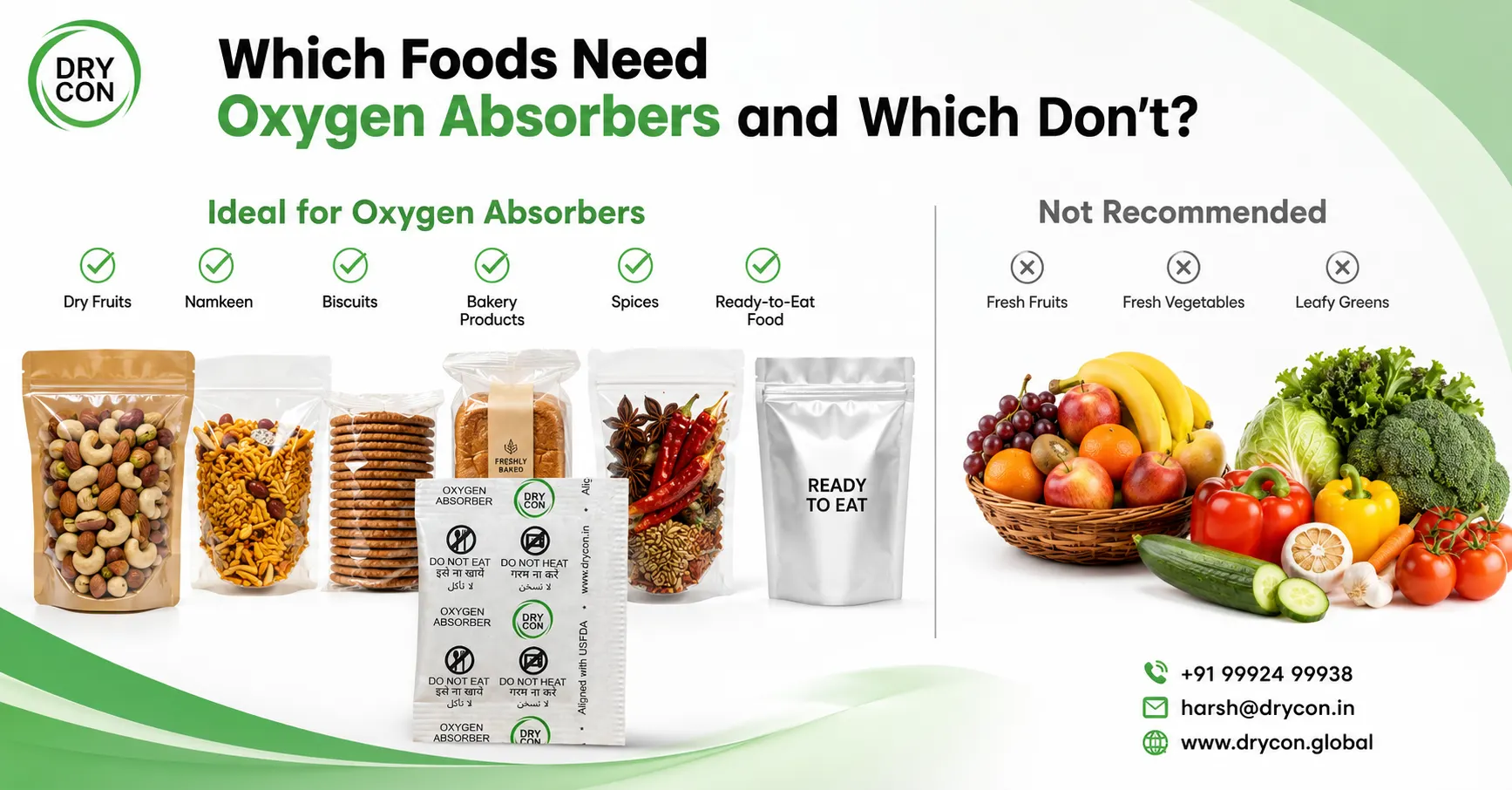
Foods that need oxygen absorbers are often the same foods that people assume are safe because they look dry. A lot of food manufacturers put serious effort into moisture, temperature, and packaging design. But one big cause of quality slipping over time, often gets kind of ignored, and that reason is oxygen.
Even those “dry” foods keep reacting with oxygen while they are kept in storage, warehouses shipping containers, and also on store shelves. Bit by bit, oxygen can reduce flavor, dull colors, harm nutrients, spoil fats and oils, and it can even allow insects to keep on surviving inside the package, somehow.
For exporters, the whole problem gets bigger. Products might spend weeks or months moving through different climates, ports, warehouses, and distribution centers before they finally reach the customers. This is where oxygen absorbers for food storage become a critical packaging component.
Unlike desiccants that take away moisture , oxygen absorber packets sort of go further and actively pull out residual oxygen that is stuck in the package headspace and also oxygen that can slowly seep through packaging materials over time. So you end up with slower oxidation, less insect activity, better color keeping, and a longer shelf life.
Moisture Control Consultant